
Top 25 Blonde Hair Color Ideas for Every Skin Tone
Blonde hair color remains one of the most requested changes in any salon chair, yet it is also one of the easiest to get visibly wrong when the shade fights against your natural skin undertone.
Here is the honest truth upfront. The right blonde hair color does not depend only on personal preference. It depends heavily on whether your skin tone leans warm, cool, olive, or neutral, and choosing against that undertone is why some blonde shades look washed out or harsh instead of flattering.
This guide breaks down 25 blonde hair color ideas, organized by skin tone, along with the maintenance level each shade actually requires. Here is everything you need to know.
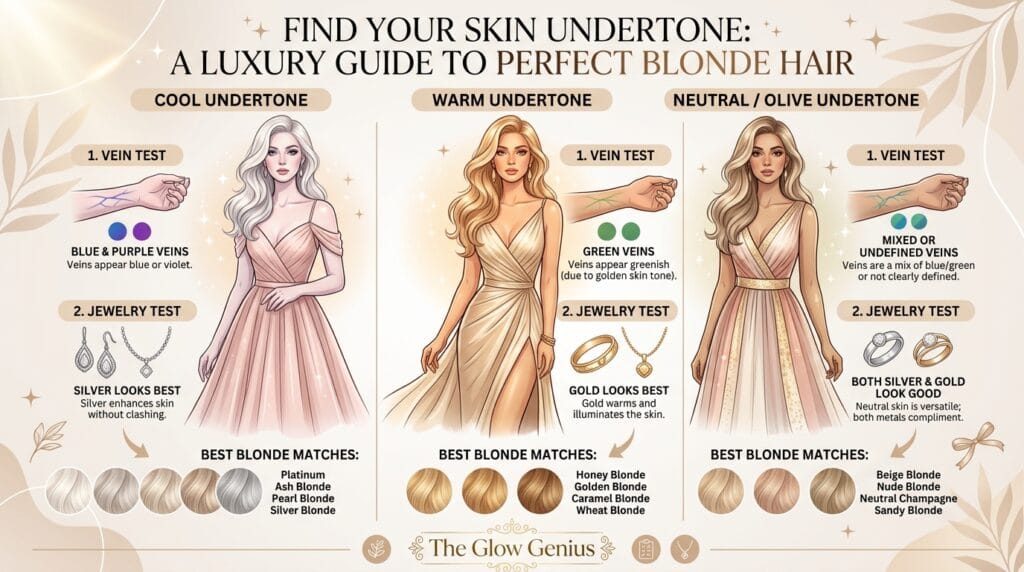
How to Find Your Skin Undertone Before Choosing a Blonde
Before picking a shade, it helps to understand your skin undertone, since this single factor determines which blonde hair color will actually flatter you.
- Cool undertones typically show blue or pink veins on the wrist, and jewelry tends to look better in silver than gold. Cool undertones generally suit ash blonde, platinum, and icy shades best.
- Warm undertones typically show green veins, and gold jewelry tends to look more flattering than silver. Warm undertones usually suit honey, golden, and caramel-toned blonde shades best.
- Neutral or olive undertones often show a mix of both, or veins that are hard to categorize clearly. These undertones tend to have the most flexibility, working well with beige, champagne, and sandy blonde shades.
Understanding this undertone logic before choosing a blonde hair color is the single biggest factor in whether the final result looks intentional or accidental.
3 Things to Know Before Going Blonde
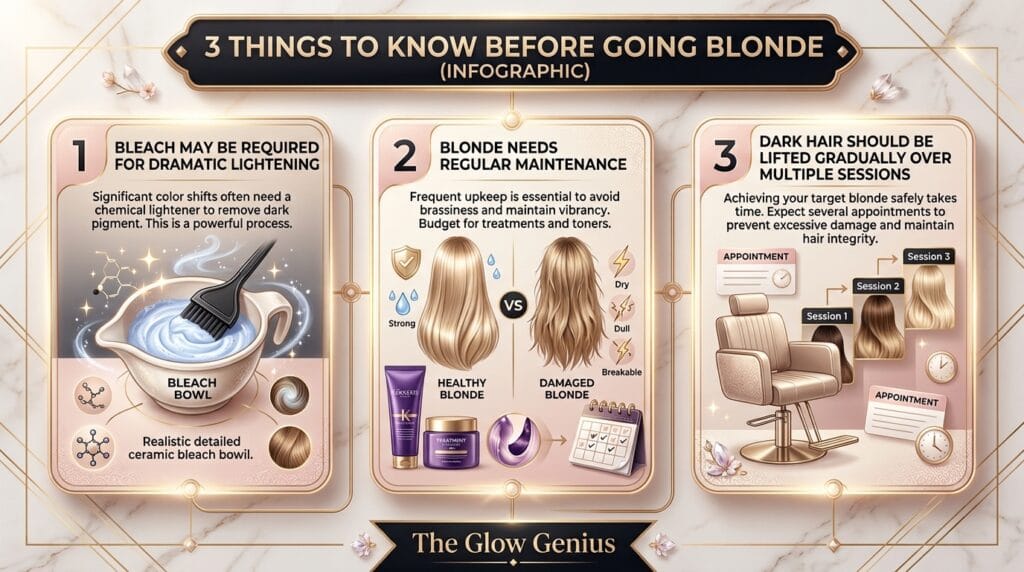
Before you book an appointment or reach for at-home dye, keep these three points in mind.
- First, going significantly lighter than your natural hair color almost always requires bleach or lightener, which can compromise hair health if not done carefully or maintained properly afterward.
- Second, blonde hair color generally requires more frequent maintenance than darker shades, since root regrowth becomes visible faster and brassiness can develop between salon visits.
- Third, going from a dark natural color to a very light blonde in one session is rarely advisable. Most colorists recommend a gradual, multi-session approach to protect the hair shaft from excessive damage.
Always consult a professional colorist for any dramatic blonde hair color change, especially if you currently have dark or previously chemically treated hair.
25 Blonde Hair Color Ideas to Inspire Your Next Appointment
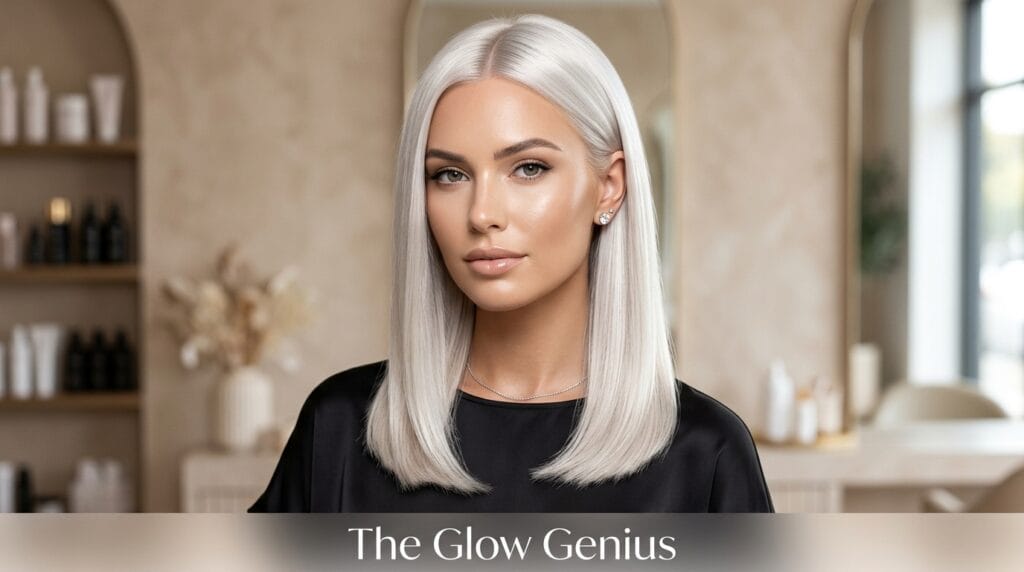
1. Icy Platinum Blonde
Icy platinum blonde pushes hair to its lightest possible point, creating a near-white, ultra-cool result that reads as bold and editorial. This shade requires significant bleach work and suits very fair, cool undertones most flattering. It creates striking contrast rather than blending softly, so it works best on those wanting a dramatic change. Ask your colorist for a toning session every four to six weeks to keep unwanted brassy tones out of the result.
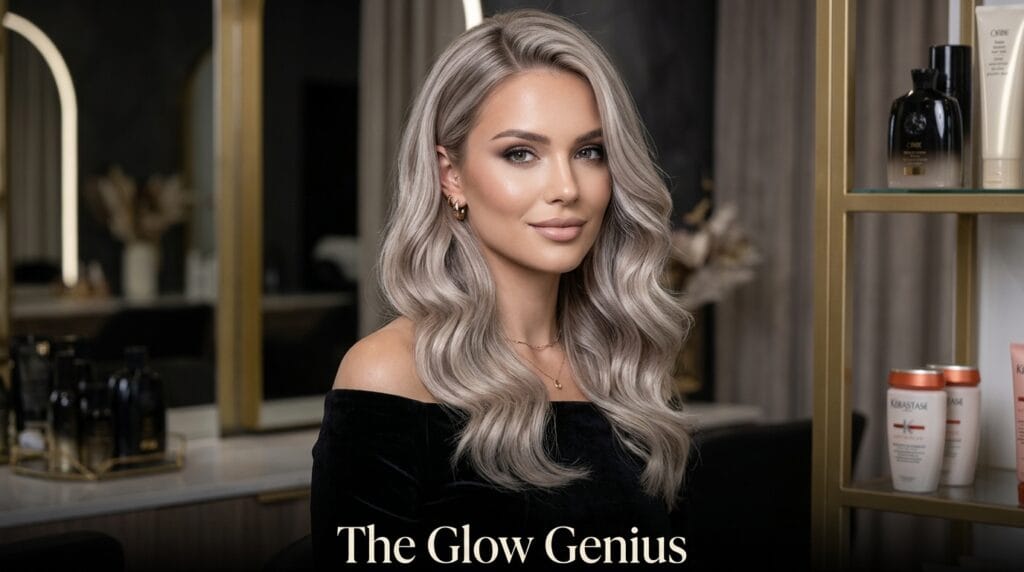
2. Ash Blonde
Ash blonde blends muted, grey-toned pigment through the hair for a smoky, sophisticated finish that neutralises warmth naturally. This shade suits cool undertones especially well and works beautifully on naturally light or previously highlighted hair. Because the cool base cancels warmth on its own, maintenance tends to be lower than fully warm blonde shades. Use a purple shampoo weekly at home to keep the ash tone from shifting brassy between visits.
3. Champagne Blonde
Champagne blonde sits between warm and platinum, with a soft, sparkling neutrality that flatters nearly every skin tone. This shade photographs beautifully in natural light and reads as quietly elevated rather than dramatic. It suits fair to medium complexions with neutral undertones particularly well. Ask your colorist to finish with a glossing treatment to lock in the champagne quality and prevent it from fading warm or dull.
4. Silver-Kissed Blonde
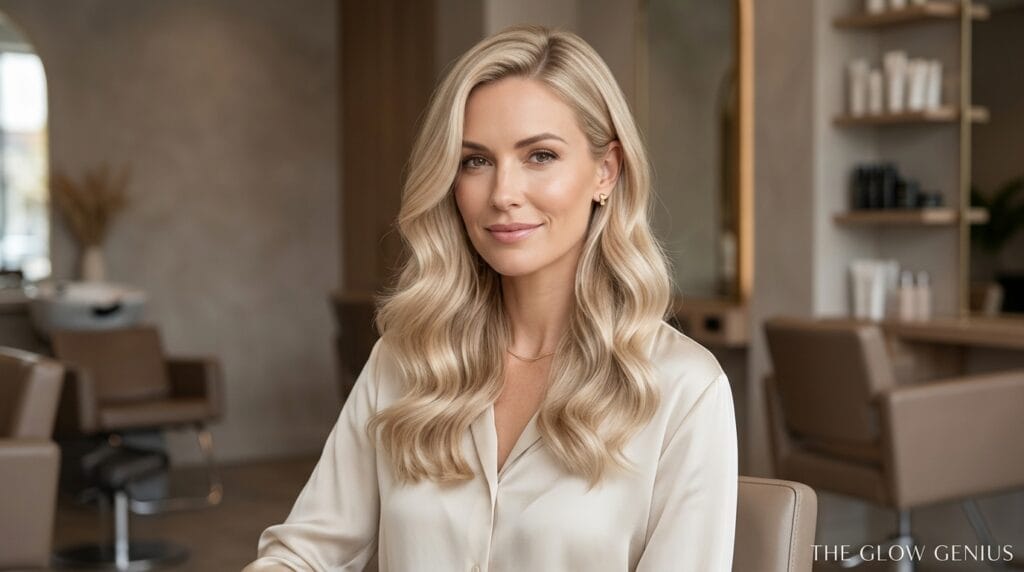
Silver-kissed blonde layers subtle silver and violet tones over a platinum base, creating a cool, almost pearlescent finish. This look suits very fair, cool-toned complexions and works best on hair that has already been lightened to a pale base. It requires consistent toning to maintain the silver quality, since warmth naturally creeps back in as color fades. A glossing treatment every six to eight weeks keeps this shade looking fresh.
5. Cool Vanilla Blonde
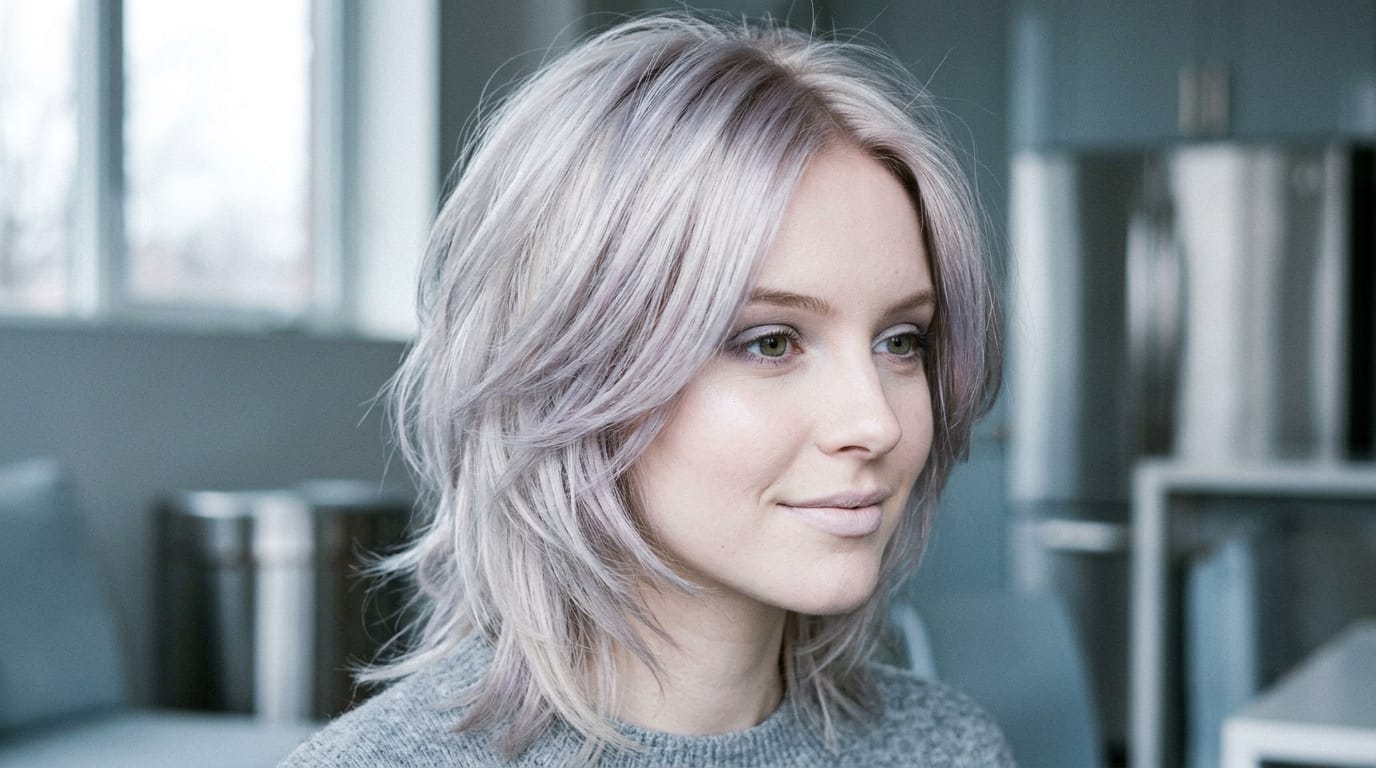
Cool vanilla blonde is a pale, creamy shade with minimal warmth, sitting just below platinum in overall lightness. It flatters fair skin with pink or blue undertones and offers a softer alternative to full icy blonde for those wanting a gentler transition. This shade blends well with natural regrowth, making it a reasonably low-maintenance cool-toned option. Ask your colorist to keep the base slightly darker than the ends for the most natural-looking result.
6. Honey Blonde
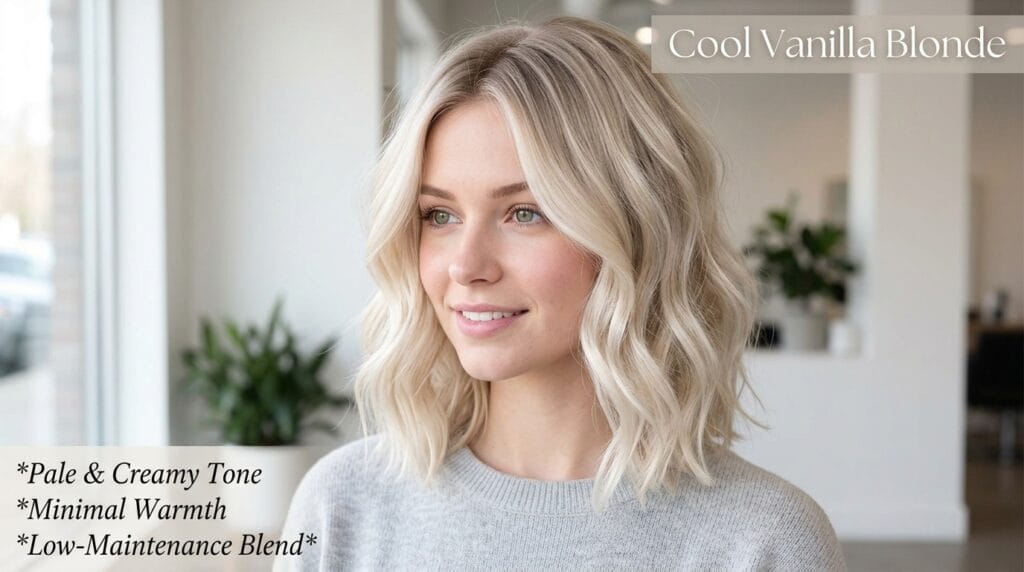
Honey blonde weaves warm, golden-amber tones through the hair for a rich, sun-drenched effect that suits warm undertones beautifully. This shade reads as naturally achieved even when carefully salon-crafted, and it works particularly well on medium to dark blonde bases. Honey blonde tends to require less aggressive lightening than icier shades, which makes it gentler on hair health overall. Ask your colorist to concentrate the honey tones at mid-length for the most effortless finish.
7. Caramel Blonde
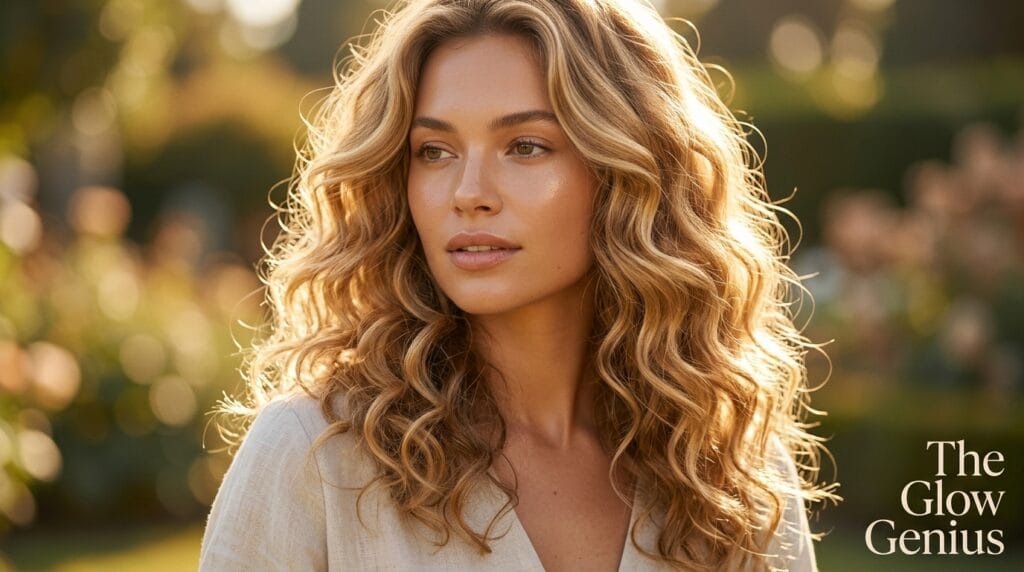
Caramel blonde combines deeper golden-brown dimension with lighter blonde pieces, creating a rich, layered effect. This shade flatters warm and olive skin tones especially well and works beautifully on medium to dark natural hair. Because caramel sits closer to a natural base color, it grows out more gracefully than lighter blonde shades. Ask your colorist for softly blended lowlights alongside the caramel pieces for maximum dimension.
8. Golden Blonde
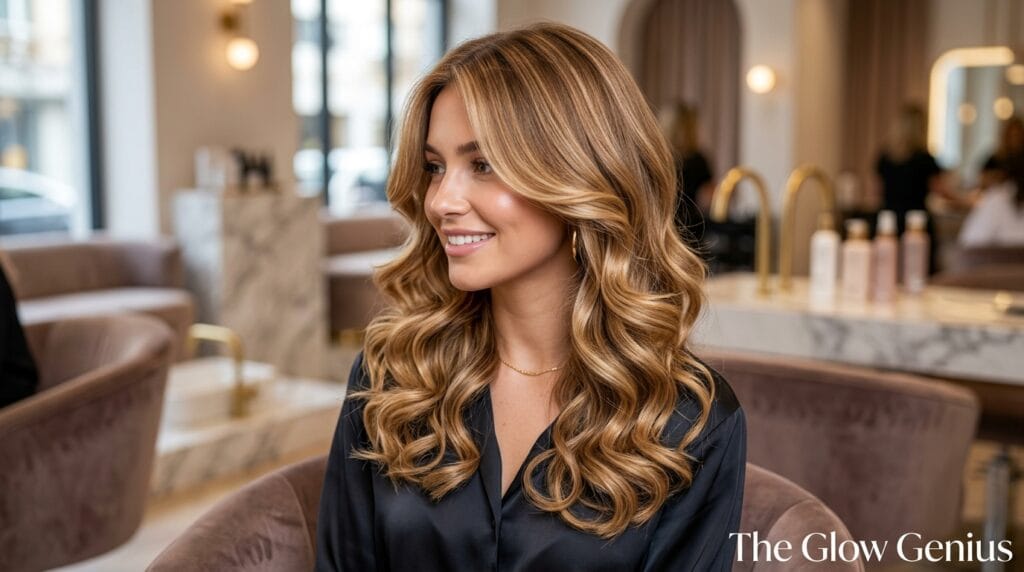
Golden blonde is a classic, sun-kissed shade that leans warm without tipping into deep honey or caramel territory. It suits medium warm-toned complexions and creates a healthy, luminous finish in natural light. This is a wearable, versatile option for anyone newer to blonde highlights who wants warmth without commitment to a bolder shade. Ask your colorist for scattered pieces rather than uniform panels for the most natural-looking result.
9. Butterscotch Blonde
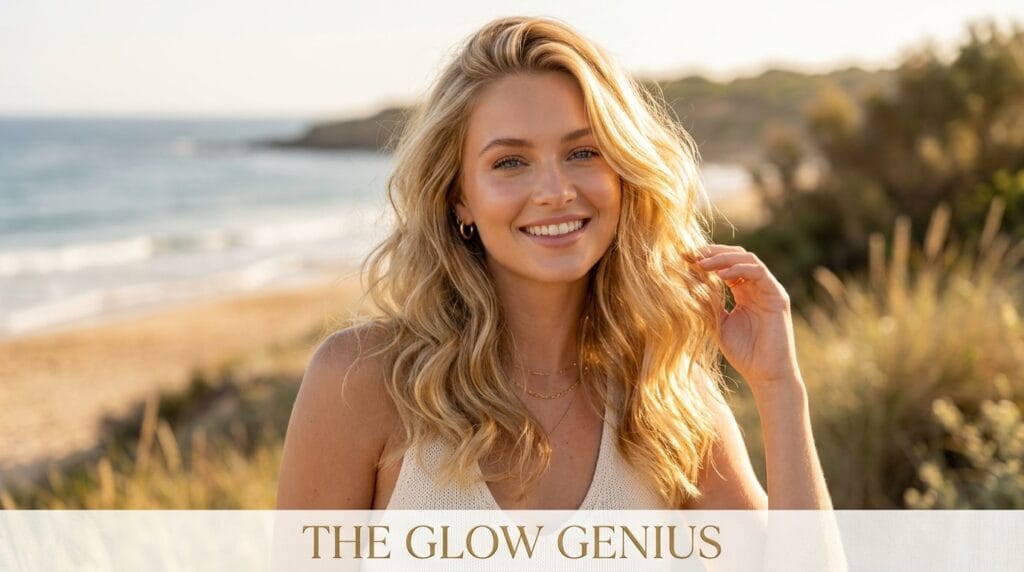
Butterscotch blonde is a deeper, richer warm shade with amber undertones, sitting between honey and caramel in overall depth. This look suits warmer, deeper complexions particularly well and works best on hair with a naturally darker base. Because it retains more depth than lighter blonde shades, butterscotch requires less frequent root touch-ups. Ask your colorist to place the lightest pieces around the face for a soft, face-framing effect.
10. Strawberry Blonde
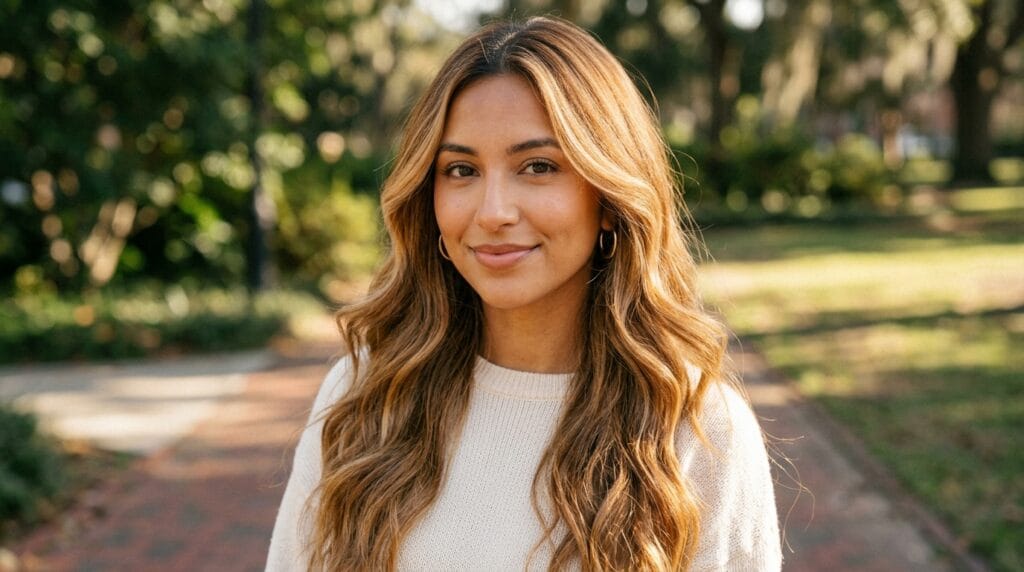
Strawberry blonde sits at the intersection of blonde and copper, with soft peachy-red warmth woven through golden hair. This shade is unique because it flatters both warm and neutral undertones equally well. It also requires less bleach than lighter blonde shades, making it gentler on the hair shaft over time. The result reads as naturally soft and deeply flattering, especially on warm, peachy complexions.
11. Beige Blonde
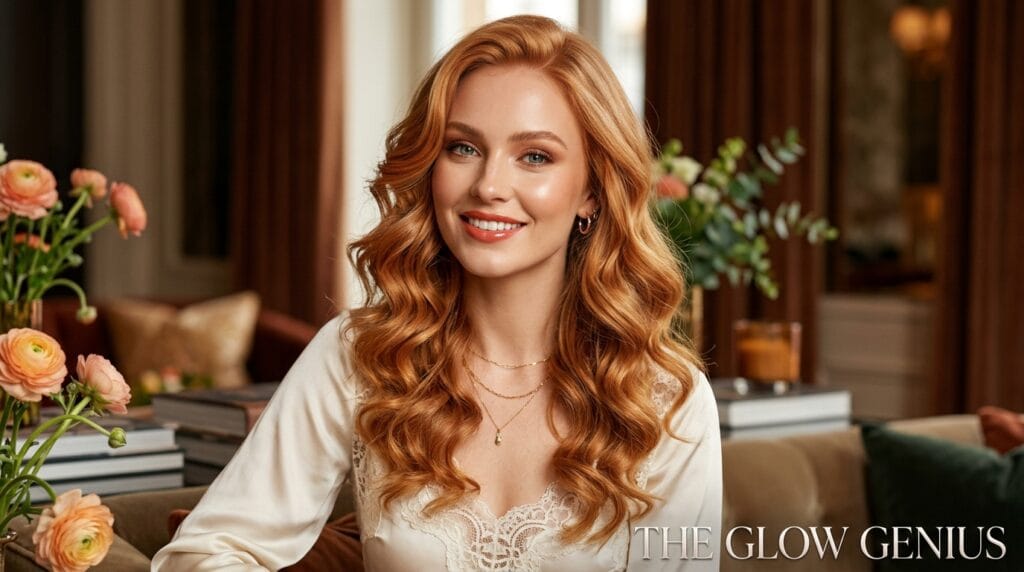
Beige blonde balances warm and cool pigment evenly, avoiding strong tones in either direction. This shade suits neutral undertones particularly well, since it neither clashes with warmth nor washes out cooler complexions. It is one of the most versatile shades on this list, working across a wide range of skin tones. Ask your colorist for a beige-toned glossing treatment to maintain this balance between salon visits.
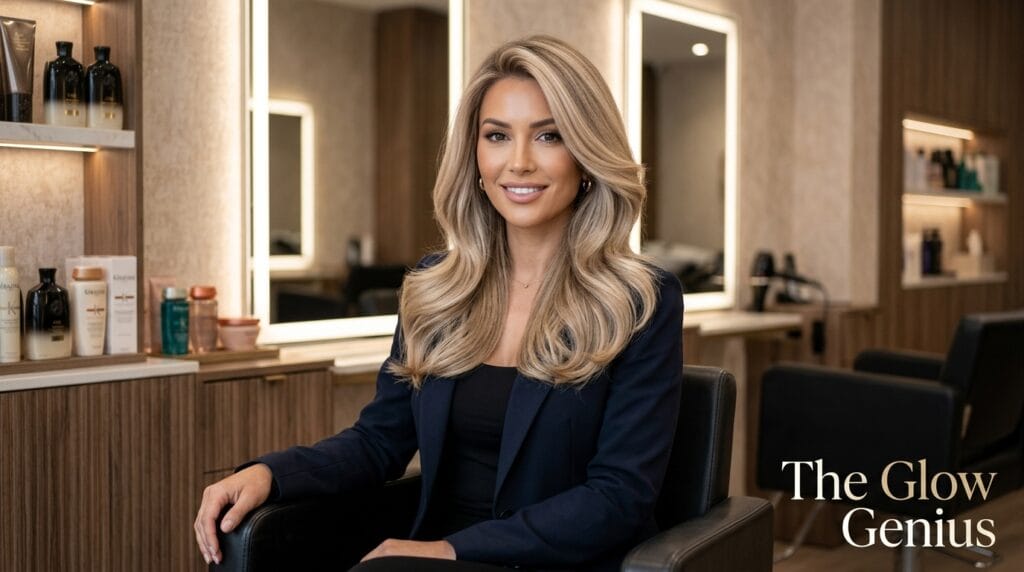
12. Sandy Blonde
Sandy blonde is a muted, natural-looking shade that mimics the color hair takes on after gradual sun exposure. This look works well across most neutral and olive complexions and suits those wanting a low-key, everyday blonde. Because it stays close to many natural hair colors, sandy blonde tends to grow out with minimal visible regrowth lines. Ask your colorist for soft, hand-painted pieces rather than uniform foils for the most authentic effect.
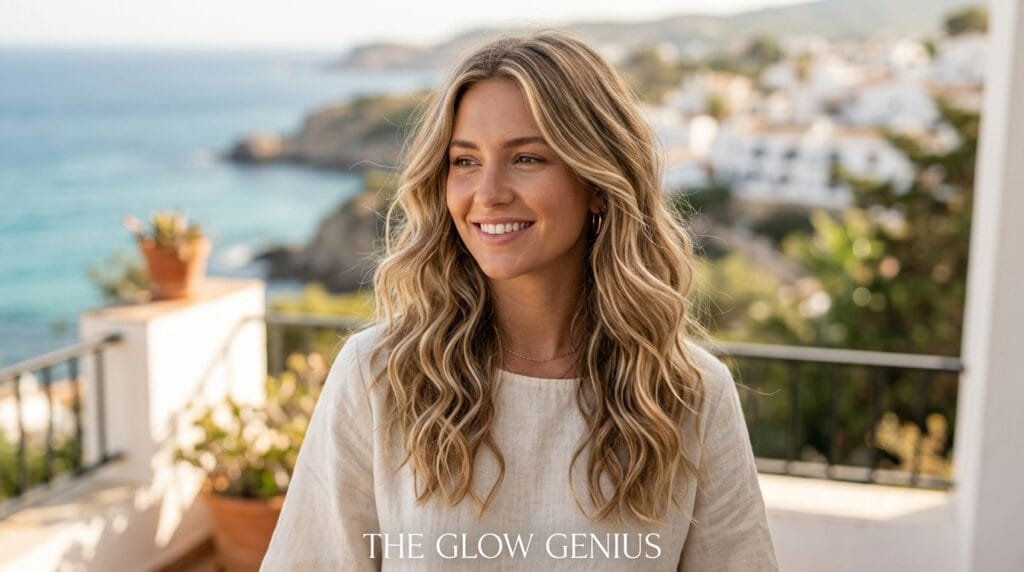
13. Bronde (Blonde-Brown Blend)
Bronde blends warm blonde and brunette tones seamlessly, creating a shade that lives beautifully between the two. This look suits olive and warm-toned complexions especially well and requires careful placement of highlights and lowlights to achieve the right balance. Bronde is one of the most low-maintenance blonde options available, since natural roots blend into the color as hair grows. Ask your colorist to keep the transition soft rather than sharply defined.
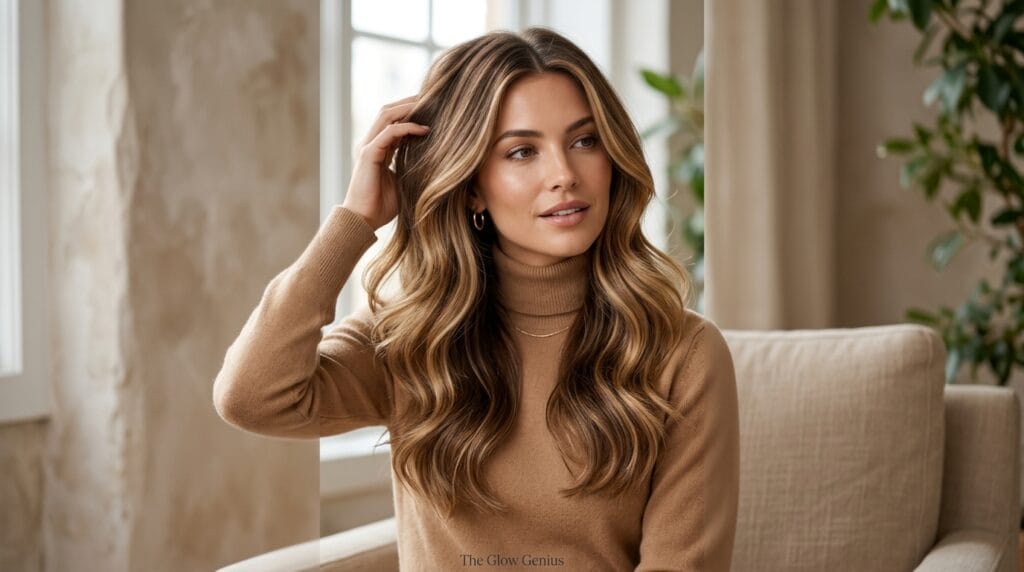
14. Buttery Blonde
Buttery blonde is a soft, warm-neutral shade with gentle richness that avoids looking either too golden or too flat. This shade suits olive and medium neutral skin tones particularly well, creating a warm glow without heavy contrast. It pairs beautifully with a glossy finish, which enhances the buttery quality significantly. Ask your colorist for this shade if you want warmth without a strong red or gold undertone.
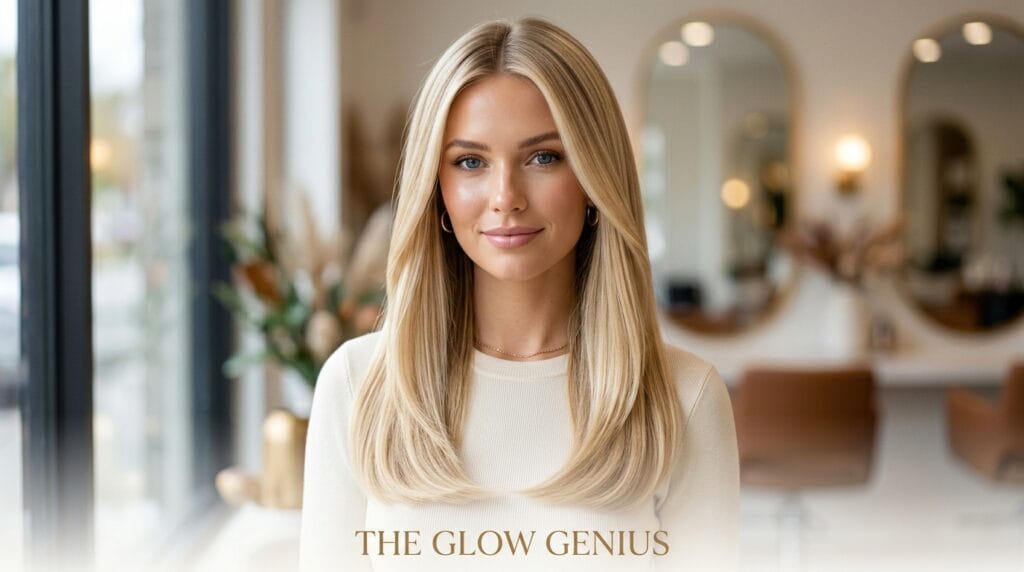
15. Wheat Blonde
Wheat blonde is a natural, dimensional shade with soft golden undertones running through a medium base. This look is versatile across neutral skin tones and works particularly well on naturally dirty-blonde or light brown hair. Because wheat blonde stays close to many natural colors, it is one of the more forgiving shades as it grows out. Ask your colorist for subtle, multi-tonal pieces rather than one flat color for the most realistic effect.
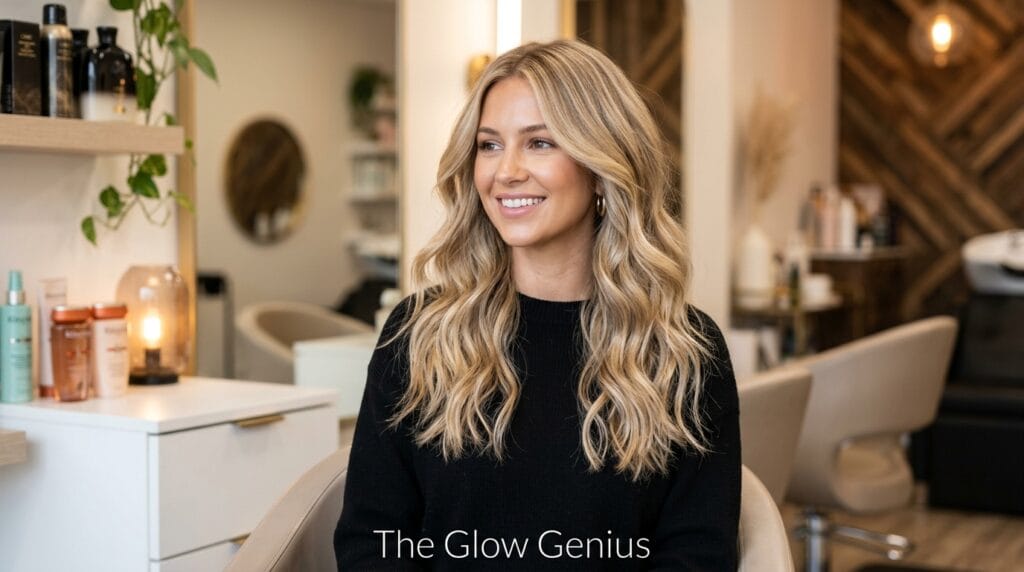
16. Honey Bronze Blonde
Honey bronze blonde combines rich, warm honey tones with deeper bronze undertones, creating striking contrast on deep skin tones. This shade photographs beautifully and adds warmth and dimension without requiring extreme lightening. It suits warm, deep complexions particularly well and pairs beautifully with a glossy finish. Ask your colorist to concentrate the bronze depth near the roots and honey warmth through the ends.
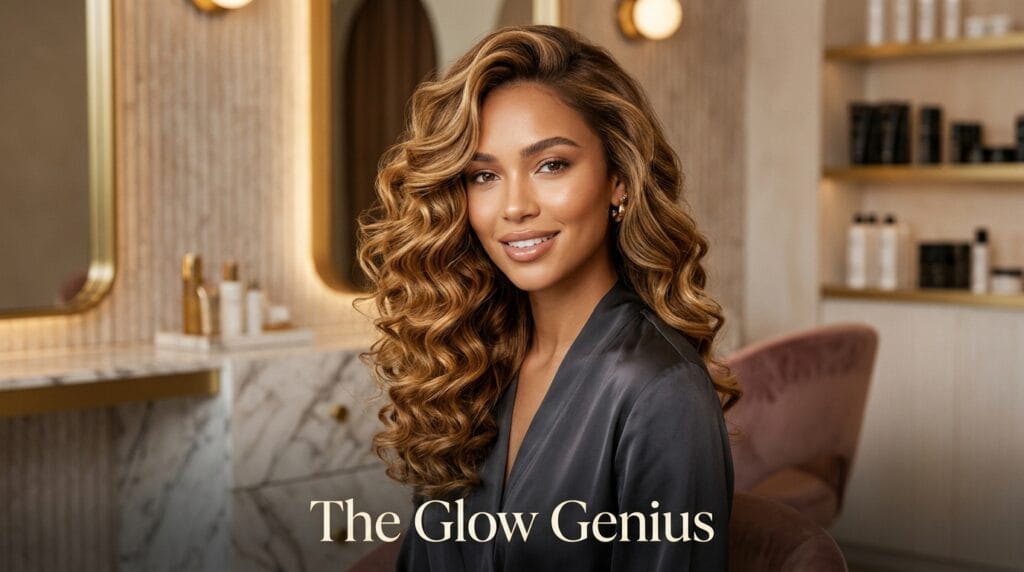
17. Caramel Highlights on Dark Base
This technique weaves subtle caramel-toned highlights through a dark base rather than lightening the entire head. It is a popular choice for deeper skin tones wanting dimension without full commitment to an all-over blonde look. Because most of the hair stays close to its natural color, this option requires significantly less maintenance than a full blonde transformation. Ask your colorist to concentrate the caramel pieces around the face for the most flattering effect.
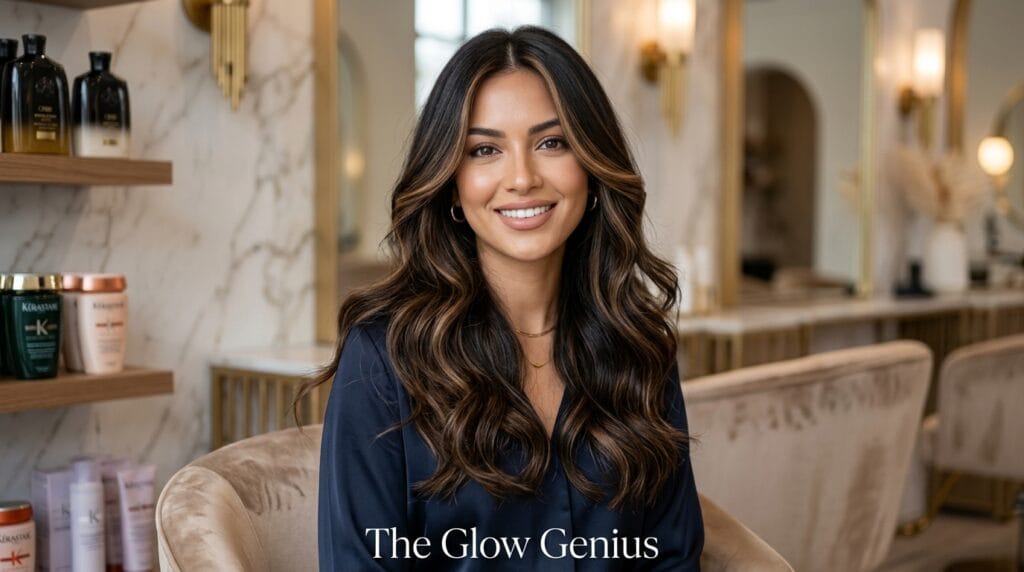
18. Golden Amber Blonde
Golden amber blonde is a deep, warm shade that photographs beautifully against warm, deep skin tones. This look creates a rich, glowing effect without pushing toward extreme lightness, making it gentler on hair health than pale blonde options. It suits those wanting noticeable warmth and dimension while keeping the overall look deep and rich. Ask your colorist for a golden toner to enhance the amber quality after lightening.

19. Copper-Kissed Blonde
Copper-kissed blonde weaves warm, rust-toned pieces through golden blonde hair for a fiery, dimensional result. This shade flatters warm and deep skin tones particularly beautifully, since copper tones catch the light in a way that pure blonde cannot. It works best when the copper pieces are concentrated at the mid-lengths, where they add the most warmth and movement. Ask your colorist to blend the copper gradually rather than in bold, separate sections.
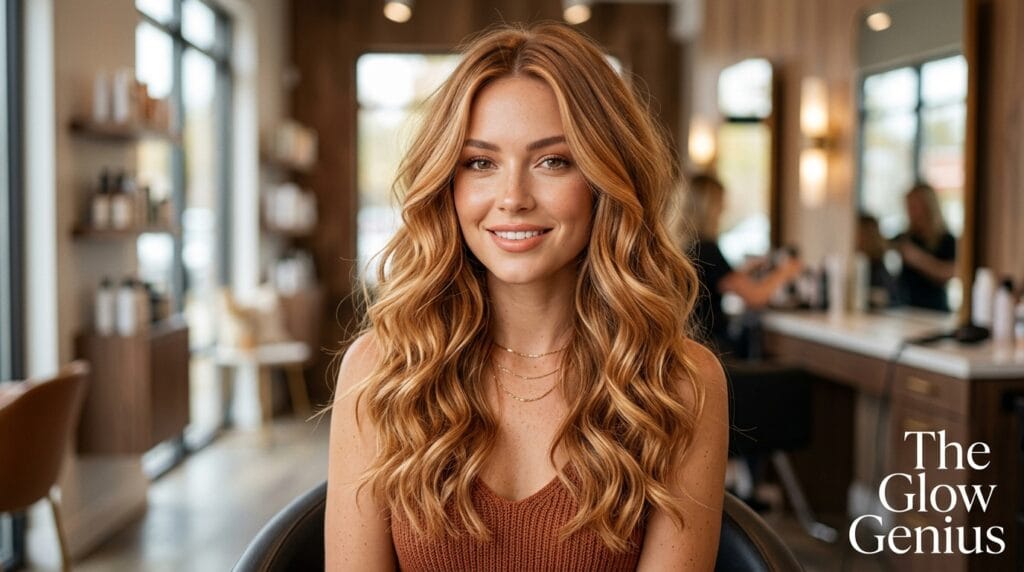
20. Sun-Kissed Balayage on Dark Hair
This technique adds face-framing blonde pieces to a dark base using balayage, offering dimension without committing to a full blonde transformation. It suits nearly every skin tone, since the dark base remains the dominant color throughout. Because the blonde pieces are painted rather than foiled, this option grows out gracefully with minimal visible regrowth lines. Ask your colorist to concentrate the lightest pieces around the front for maximum brightness near the face.
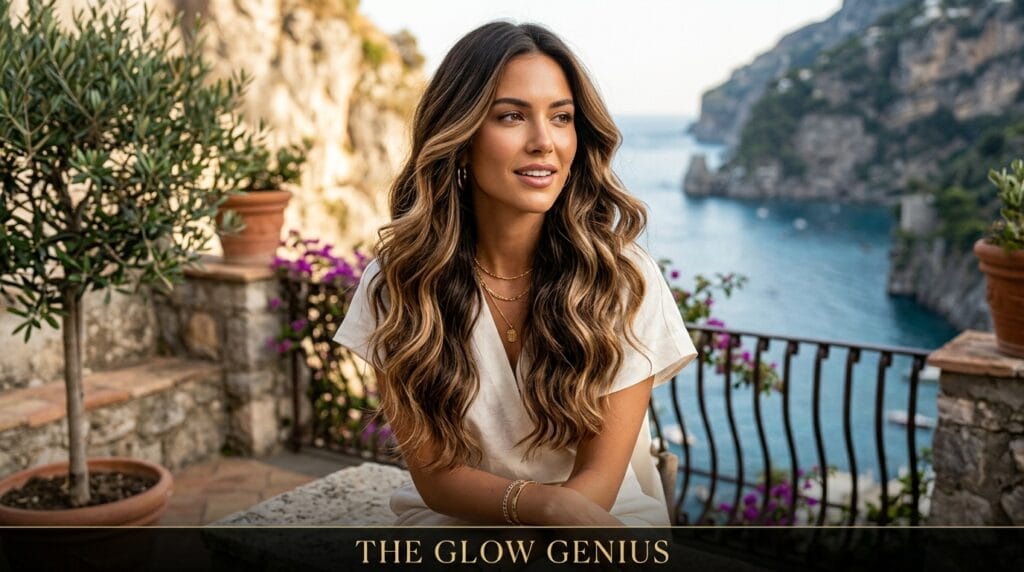
21. Money Piece Highlights
The money piece technique frames the face with two bold, bright sections of blonde highlights at the front, while the rest of the hair stays closer to its natural depth. This look creates instant brightness and works especially well on brunette bases, where the contrast reads as deliberate and bold. It suits nearly every skin tone, since only a small section requires lightening. Tell your colorist to keep the money piece at least two shade levels lighter than your overall base color.
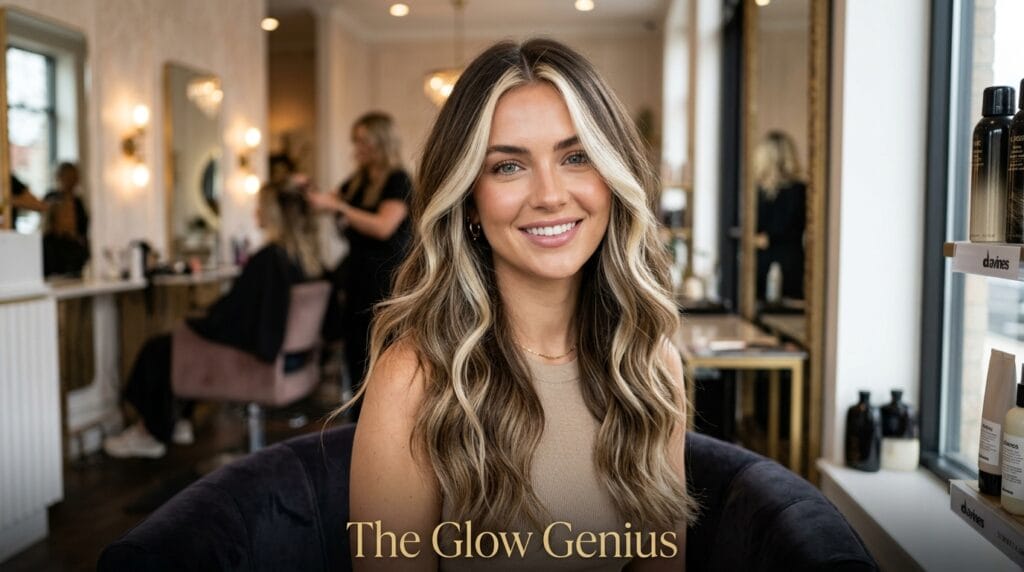
22. Root Smudge Blonde
Root smudge blonde uses a soft, blended shadow at the root that gradually transitions into brighter blonde through the mid-lengths and ends. This technique significantly reduces visible root regrowth, making it one of the lowest-maintenance blonde options available. It suits nearly any skin tone, since the effect is more about grow-out softness than a specific undertone. Ask your colorist to soften the root-to-blonde transition with a matching toner.
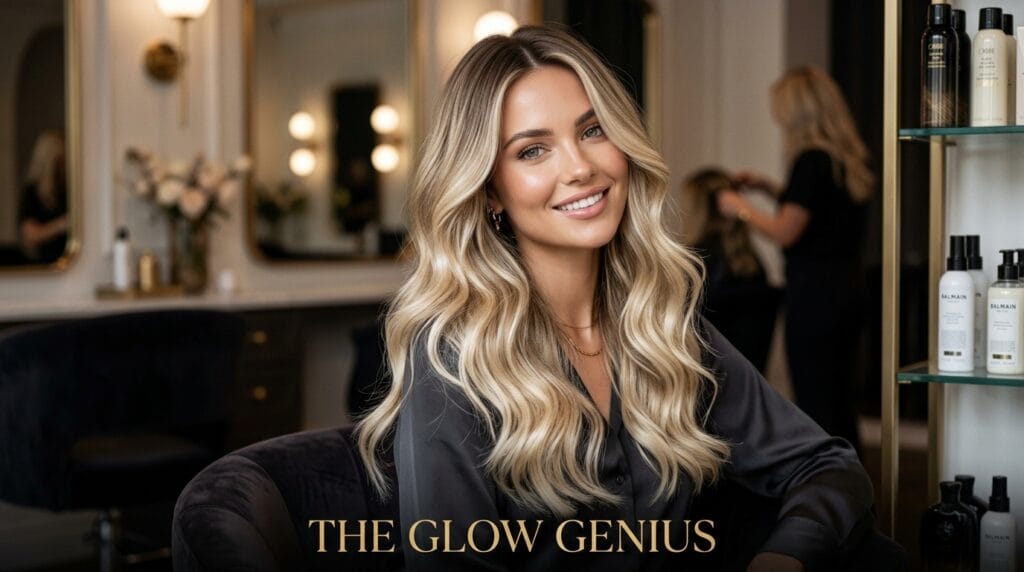
23. Babylights
Babylights are the finest possible highlights, painted in sections so small they mimic how the sun naturally lightens hair over time. All-over babylights create a luminous, multi-dimensional finish that suits most undertones and hair colors. Because no single strand reads as an obvious highlight, the overall effect looks incredibly natural. This is a higher-maintenance technique in terms of salon time, but it delivers one of the most breathtaking, natural-looking results available.
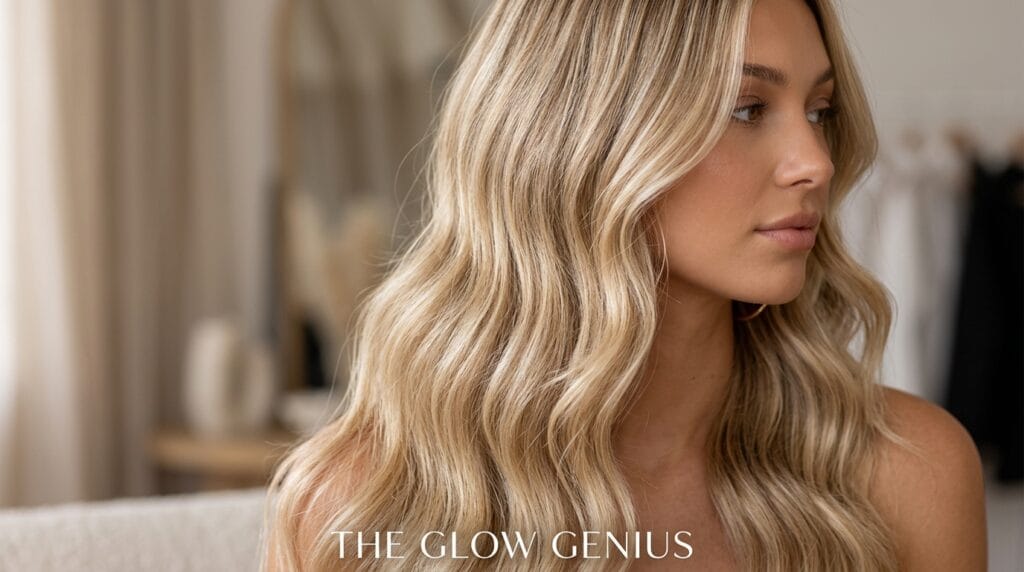
24. Tortoiseshell Blonde
Tortoiseshell blonde blends warm and cool blonde tones together, along with occasional deeper pieces, for a rich, multi-dimensional finish. This adaptable shade works across a wide range of skin tones, since it combines both warm and cool elements within the same head of hair. It suits those who want more visual complexity than a single flat blonde shade offers. Ask your colorist to vary the placement of warm and cool pieces for the most authentic tortoiseshell effect.
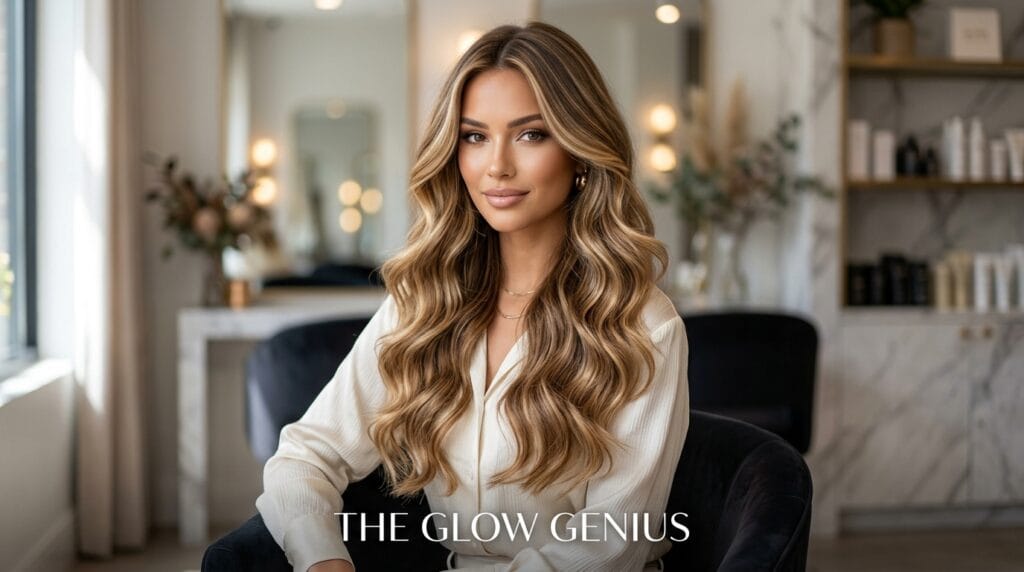
25. Natural Blonde Balayage
Natural blonde balayage is a hand-painted technique that creates a soft, grown-out blonde look without harsh regrowth lines. Because color is swept directly onto the hair’s surface rather than foiled, it develops more gently and suits nearly every skin tone and hair type. This remains one of the most low-maintenance blonde techniques available, since roots blend naturally as the hair grows out. Ask your colorist to leave the root area softer and concentrate lightness through the mid-lengths and ends.

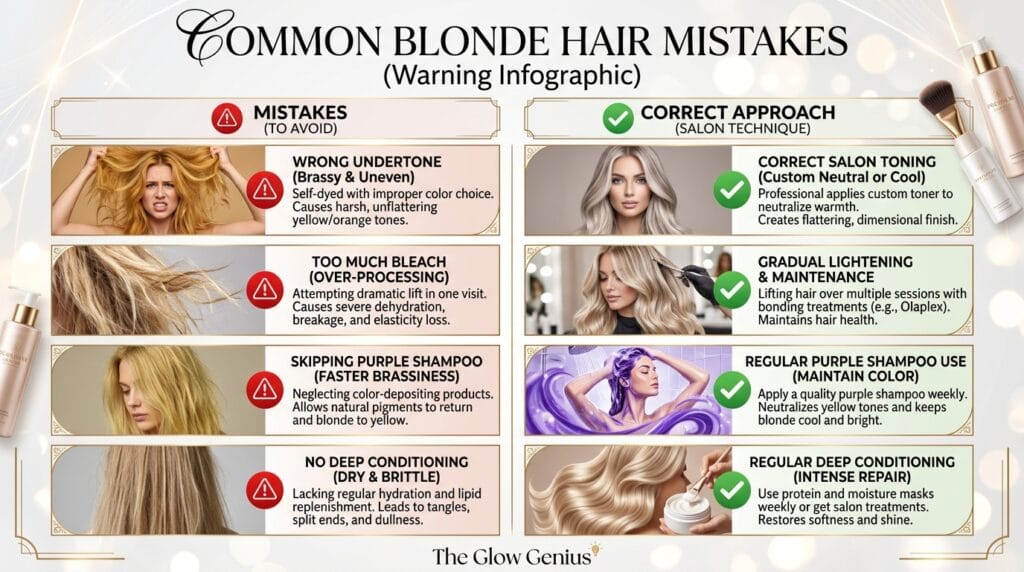
Which Blonde Suits Your Skin Tone — Quick Match
Matching your blonde hair color to your actual undertone, not just a trending shade, gets you the most flattering result.
- Fair, cool undertone: Icy platinum, ash blonde, or champagne blonde will complement your complexion without washing you out.
- Fair to medium, warm undertone: Honey blonde, golden blonde, or strawberry blonde will add warmth that flatters your skin naturally.
- Olive or neutral undertone: Beige blonde, sandy blonde, or bronde offers the most balanced, natural-looking result.
- Deep, warm undertone: Honey bronze blonde, golden amber blonde, or copper-kissed blonde creates striking, flattering contrast.
- Any skin tone, low maintenance preference: Babylights, money piece highlights, or natural blonde balayage all grow out gracefully with minimal upkeep.
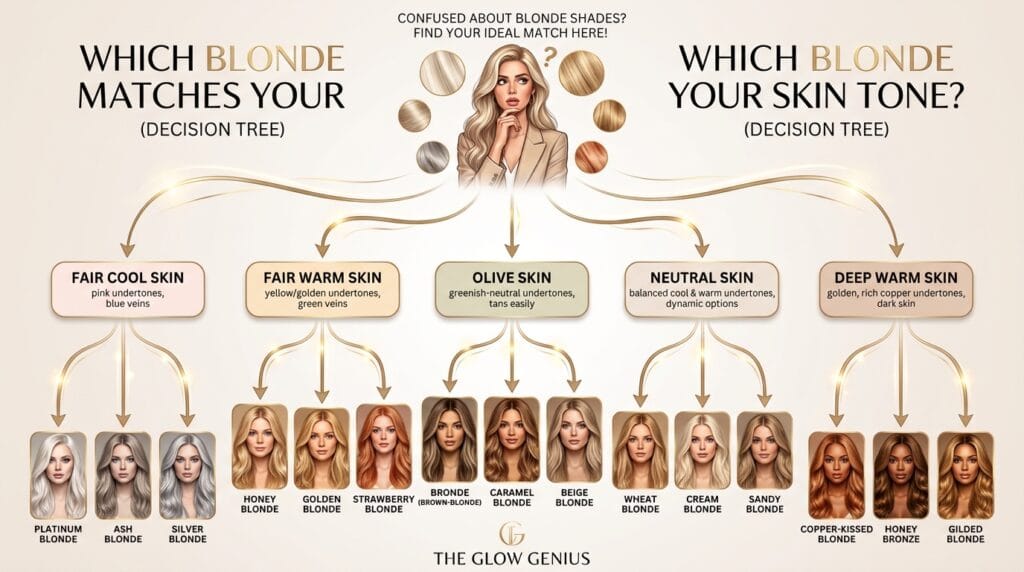
How to Maintain Blonde Hair Color
Follow this routine to keep any blonde hair color looking fresh and healthy between salon visits.
- Use a purple shampoo once or twice weekly to neutralise brassiness and yellow tones.
- Apply a deep conditioner or hair mask weekly to restore moisture lost during the lightening process.
- Use a heat protectant spray before any hot styling tool to prevent further damage.
- Limit hot tool use when possible, since bleached hair is more vulnerable to heat damage.
- Book root touch-ups every 6 to 8 weeks, or opt for a balayage technique to extend time between salon visits.
- Use UV-protectant hair products during summer months, since sun exposure can shift blonde tones unpredictably.
- Trim regularly to prevent split ends, since lightened hair is more prone to breakage over time.
This routine protects both the blonde hair color itself and the underlying health of your hair shaft.
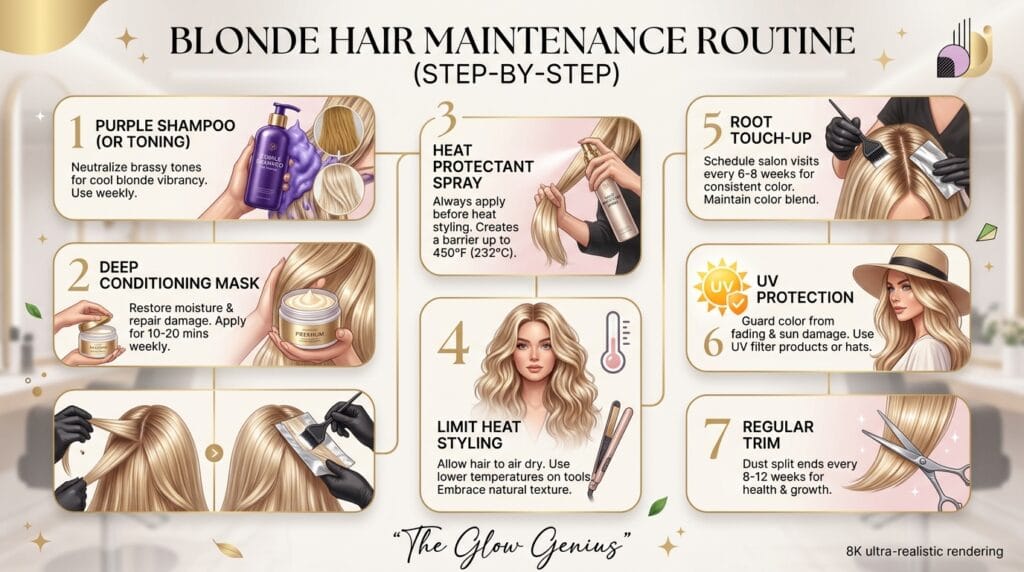
Common Mistakes to Avoid When Going Blonde
Honesty matters here, so let’s cover the mistakes that most often lead to disappointing results.
- Choosing a shade based on trends alone, without considering your skin undertone, is the most common reason a blonde hair color ends up looking off rather than flattering.
- Going too light too fast from a dark natural base often results in unwanted brassiness or uneven tone, since hair color needs to be lifted gradually to stay healthy.
- Skipping purple shampoo allows warm, brassy tones to develop quickly, especially in ash or platinum shades that rely on staying cool-toned.
- Neglecting deep conditioning after bleaching leads to dryness, breakage, and a duller-looking finish, even if the color itself was applied correctly.
Blonde Shades at a Glance
Skin Tone Category | Best Shades | Maintenance Level |
|---|---|---|
Cool, fair | Icy platinum, ash blonde, champagne | High |
Warm | Honey, caramel, golden, strawberry | Medium-high |
Olive, neutral | Beige, sandy, bronde, wheat | Medium |
Deep, warm | Honey bronze, golden amber, copper-kissed | Medium-high |
Universal, low maintenance | Babylights, money piece, natural balayage | Low |
You May Also Like
If you loved this guide, these articles were made for you:
- 20 Luxury Blonde Hairstyles
- Spring Hair Color Ideas
- Baking Soda to Remove Hair Dye
- The Complete Hair Damage Repair Guide
- 10 Best Heat Protection Sprays for Straighteners
- Best Oils for Low Porosity Hair
- 10 Best Short Hairstyle Ideas for Round Face Women
- Your Birth Month, Your Hairstyle
FAQs
The Honest Verdict on Blonde Hair Color
Blonde hair color genuinely flatters nearly every skin tone, but only when the specific shade is matched to your actual undertone rather than chosen purely by trend. Cool, warm, olive, and deep skin tones each pair best with different families of blonde.
Maintenance matters just as much as the initial color choice. Purple shampoo, deep conditioning, and heat protectant use all determine how long your blonde hair color stays looking fresh and healthy.
For any dramatic change, especially from dark hair, a professional colorist remains your safest option. Save this guide, bring it to your next consultation, and come back whenever you need fresh blonde inspiration.