Best Facial Cleansers for Every Skin Concern: The Complete Guide to Clear, Healthy Skin
All products featured for facial cleanser on The Glow Genius are independently selected by our editors. We may receive support from retailers through purchases made via links on this page.
Most people treat cleansing as an afterthought. They grab whatever is on the shelf and move straight to moisturiser or toner. However, the right facial cleanser is the single most foundational step in any skin care routine, since every product applied afterward depends on properly cleansed, balanced skin.
Choosing the wrong facial cleanser for your specific skin type or concern can quietly undo the work of every other skincare product you use. That is why this guide breaks down exactly which cleanser type suits which concern, rather than leaving it to guesswork. Here is the complete guide.
Why Your Cleanser Choice Affects Everything Else in Your Routine
The wrong facial cleanser disrupts your skin’s natural pH balance more than most people realise. Skin sits at a slightly acidic pH balance naturally, and harsh cleansers can push it too alkaline, weakening the skin barrier in the process.
This matters because cleansing is the true foundation step of any routine. Because every other product, from toner to moisturiser to treatment serums, applies directly on top of cleansed skin, a damaged skin barrier from the wrong cleanser affects how well everything else performs.
A compromised skin barrier also struggles to absorb beneficial ingredients like hyaluronic acid or ceramides effectively. As a result, even excellent follow-up products underperform when the very first step in the routine has already disrupted the skin’s balance.
That is why choosing a facial cleanser matched to your actual skin type and concern, rather than whatever is trending or cheapest, genuinely changes the results of your entire skin care routine.
Face Wash Essentials — Facial Cleanser Types Explained
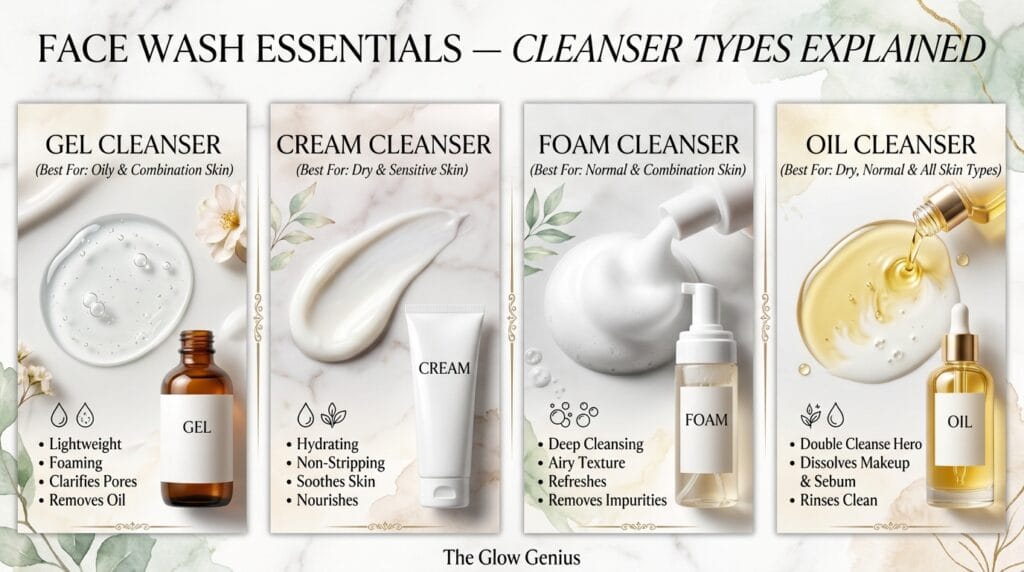
- A gel cleanser has a lightweight, often clear texture that rinses away cleanly without leaving residue. It typically suits oily skin and combination skin best, since the lightweight formula cleanses thoroughly without adding extra richness.
- A cream cleanser has a thicker, more nourishing texture that often does not fully foam. It suits dry skin and sensitive skin particularly well, since the creamy base cleanses gently while adding a layer of moisture rather than stripping it away.
- A foam cleanser starts as a gel or cream and whips into a light, airy foam upon application, usually with a built-in pump or by being worked between wet hands. It tends to suit oily skin most, since the foaming action lifts excess oil effectively, though it can feel too stripping for very dry skin.
- An oil cleanser uses oil-based ingredients to dissolve makeup, SPF, and excess sebum through the “like dissolves like” principle. It suits every skin type as a first step, though it is especially valuable for anyone wearing heavy makeup or sunscreen daily.
In terms of cleansing strength, foam cleansers and gel cleansers generally clean most thoroughly, while cream cleansers clean more gently. Oil cleansers excel specifically at removing oil-based products like makeup and SPF, which is why they often appear as the first step in a two-part routine rather than a standalone option.
Clear Skin Routine Guide: Best Facial Cleanser by Skin Concern
1. Oily Skin and Excess Shine
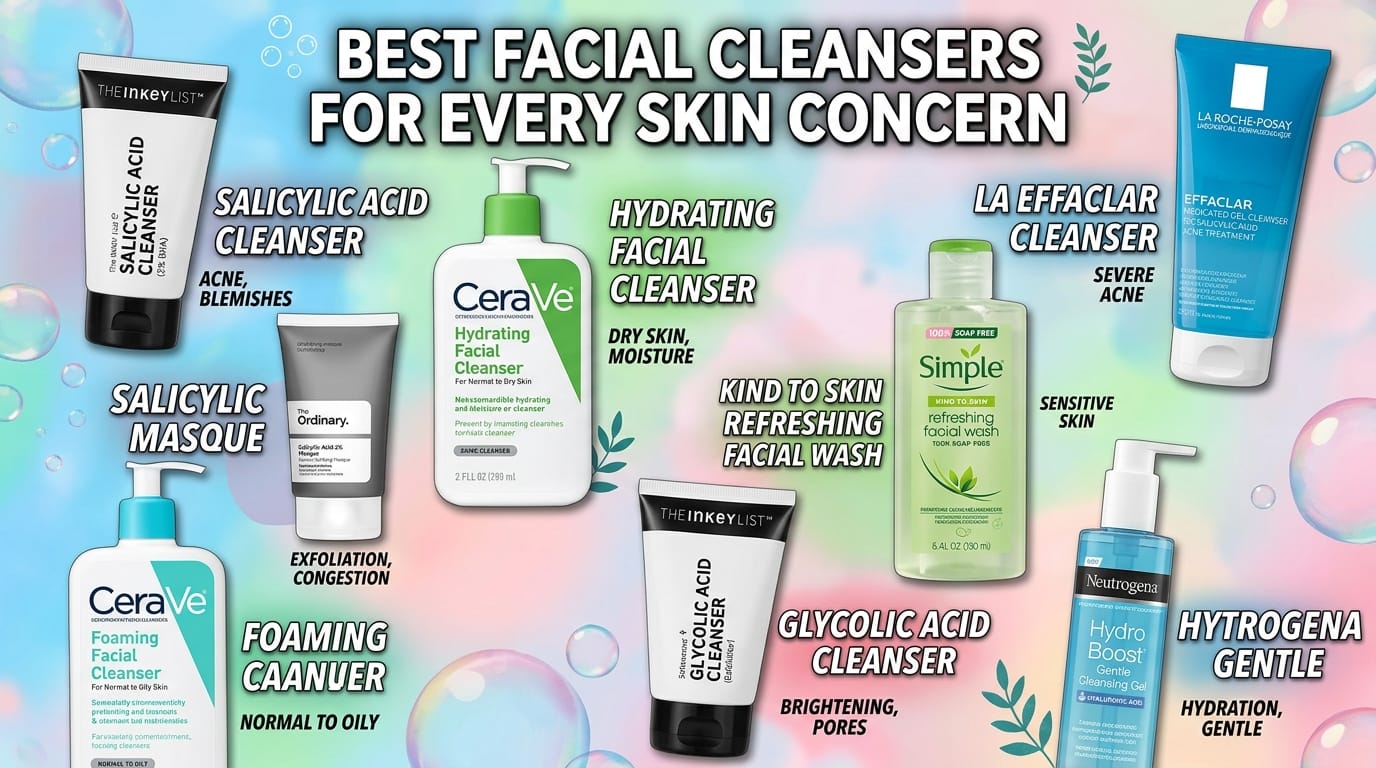
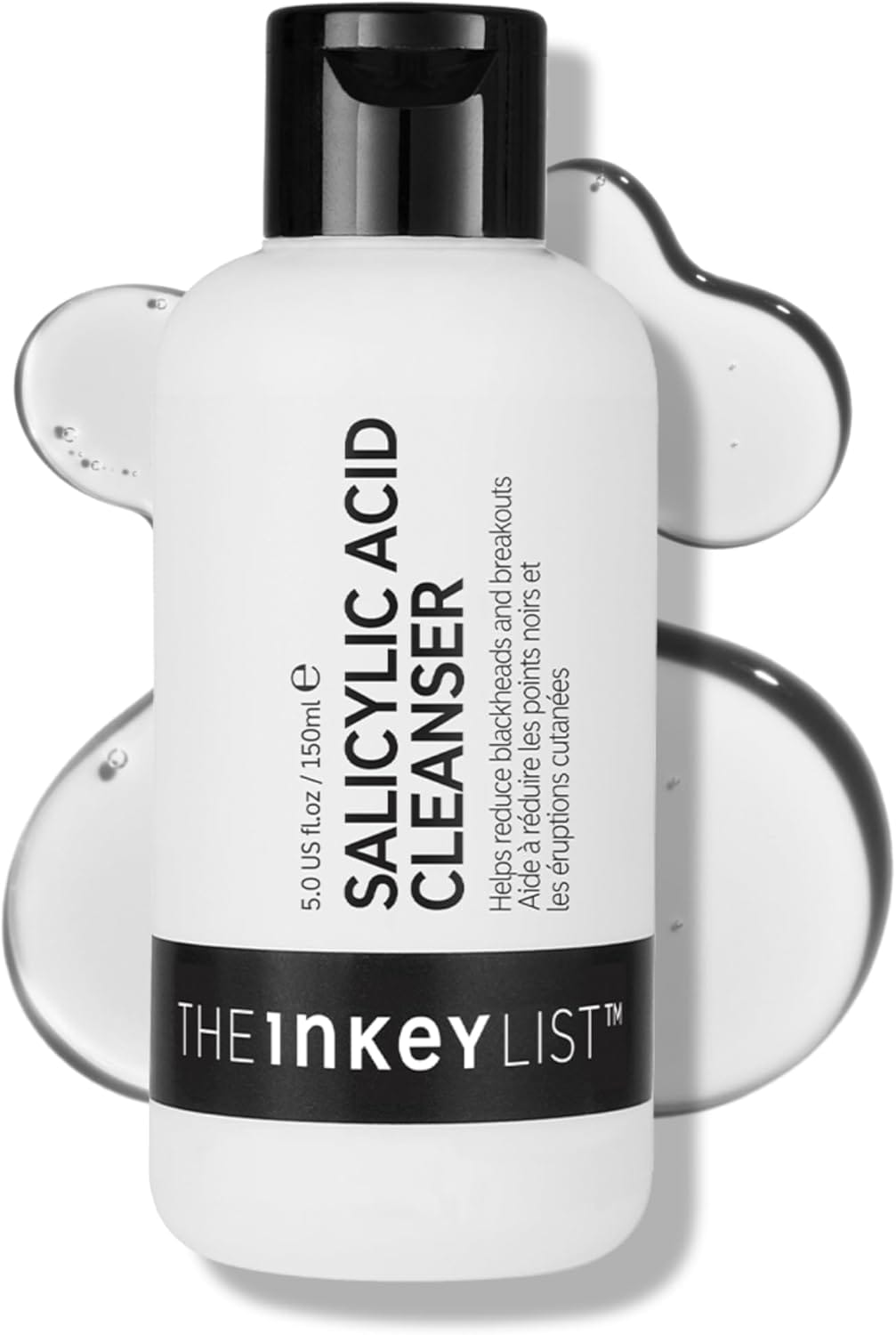
Excess shine happens when sebaceous glands overproduce oil, often due to genetics, hormones, or climate. Look for a facial cleanser containing salicylic acid or a lightweight gel cleanser formula, since both help control oil without over-drying. The INKEY List Salicylic Acid Cleanser is a widely recommended option here, using 2% salicylic acid in an oil-free gel cleanser base to control shine without over-stripping skin. Apply once in the morning and once at night, avoiding over-washing, which can actually trigger more oil production.
2. Dry, Flaky Skin
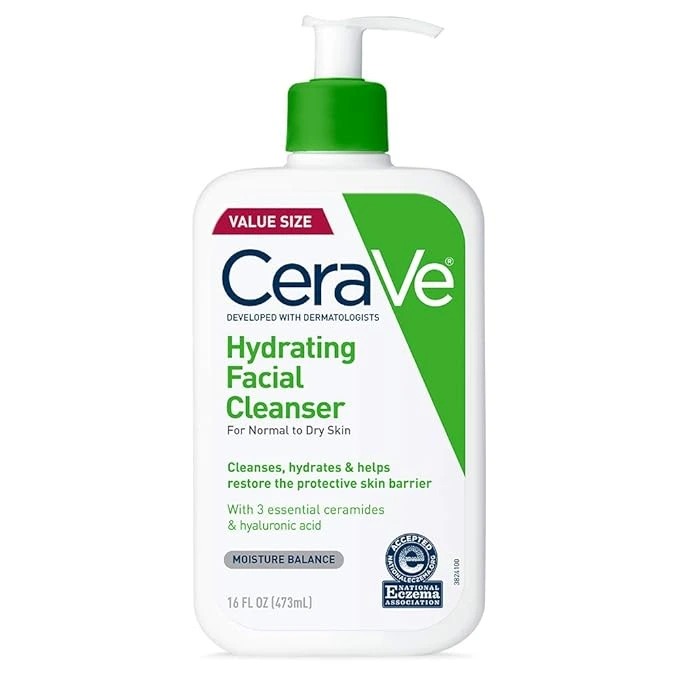
Dry, flaky skin results from a compromised skin barrier that struggles to retain moisture. A cream cleanser containing ceramides or hyaluronic acid rebuilds and hydrates while cleansing. CeraVe Hydrating Facial Cleanser is a well-known option here, formulated with ceramides and hyaluronic acid specifically for dry, barrier-compromised skin. Apply with lukewarm, never hot, water, since hot water further strips the already-fragile skin barrier.
3. Acne and Breakouts
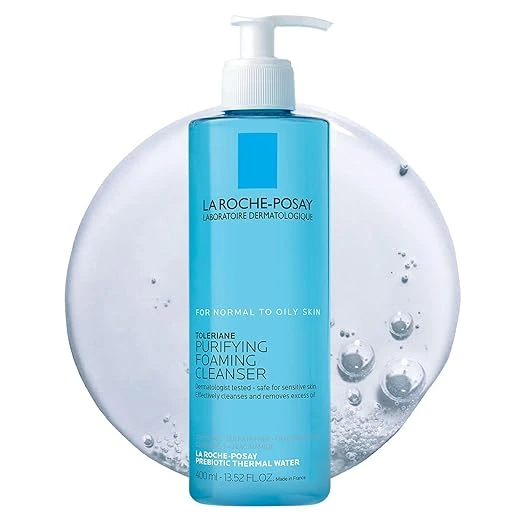
Breakouts form when pores become blocked with oil, dead skin cells, and bacteria. A facial cleanser with salicylic acid or benzoyl peroxide directly targets the bacteria and oil causing acne. La Roche-Posay Effaclar Medicated Gel Cleanser is a commonly recommended pick, combining salicylic acid with a gentle, non-stripping gel cleanser base. Avoid scrubbing aggressively, since physical irritation can worsen active breakouts rather than improve them.
4. Blackheads and Clogged Pores
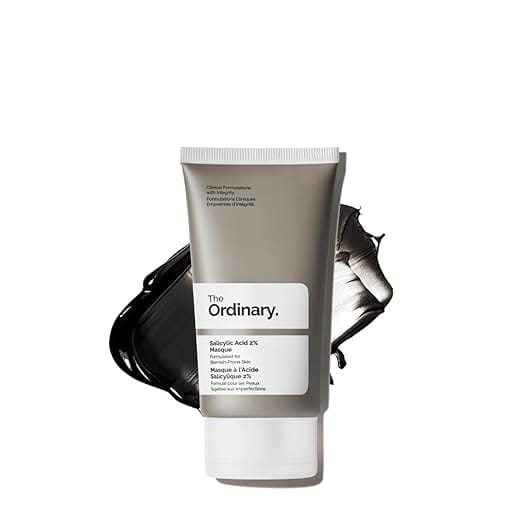
Blackheads form when oil oxidises inside an open, clogged pore. A facial cleanser containing salicylic acid specifically helps dissolve the oil and debris causing blackheads, since salicylic acid is oil-soluble and penetrates directly into the pore lining. The Ordinary Salicylic Acid 2% Masque, used as an occasional deep-cleanse treatment alongside a regular facial cleanser, is a strong option for this specific concern. Consistent use matters more than occasional deep cleanses for this concern.
5. Sensitive, Reactive Skin
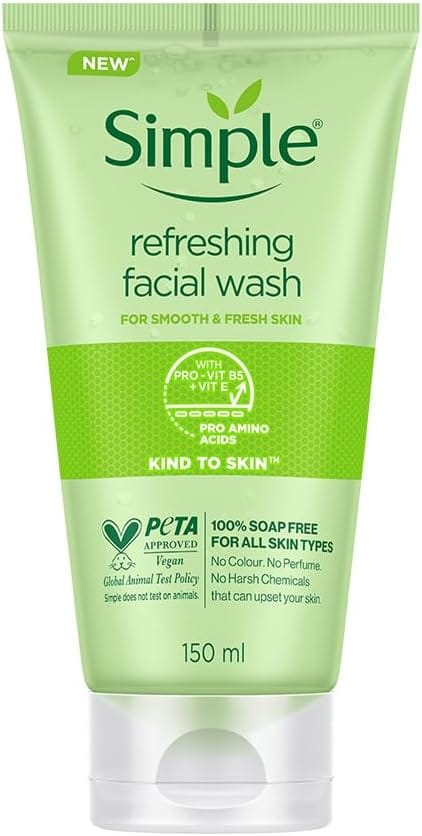
Sensitive skin reacts easily to fragrance, harsh surfactants, and over-exfoliation. A fragrance-free cream cleanser with ceramides supports and calms the skin barrier rather than challenging it further. Simple Kind to Skin Refreshing Facial Wash is a reliable pick here, formulated without fragrance specifically for reactive, sensitive skin. Always patch test any new facial cleanser before applying it across the entire face.
6. Combination Skin
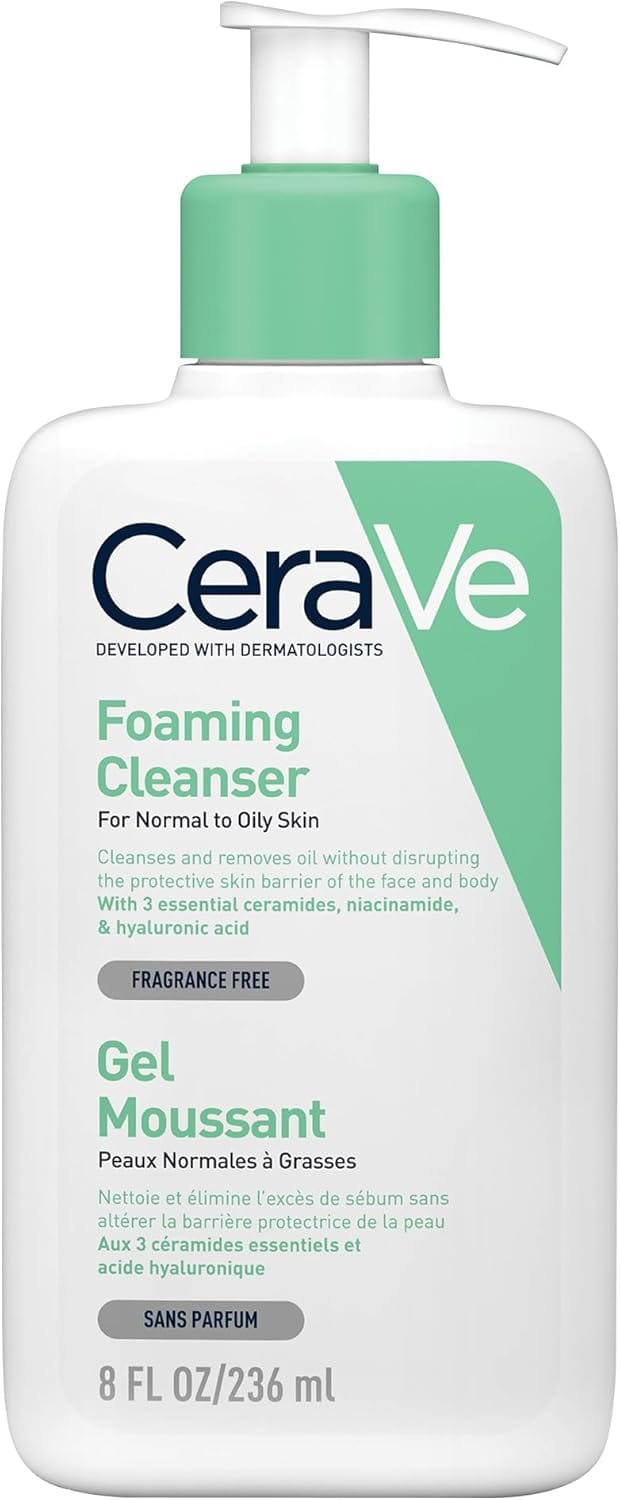
Combination skin features an oilier T-zone alongside drier cheeks, making one universal product tricky. A balanced gel cleanser that cleanses thoroughly without over-stripping works well across both zones. CeraVe Foaming Facial Cleanser is a popular choice for combination skin, balancing oil control with ceramide-based barrier support. Some people benefit from using slightly different products on different areas of the face.
7. Dull, Tired-Looking Skin
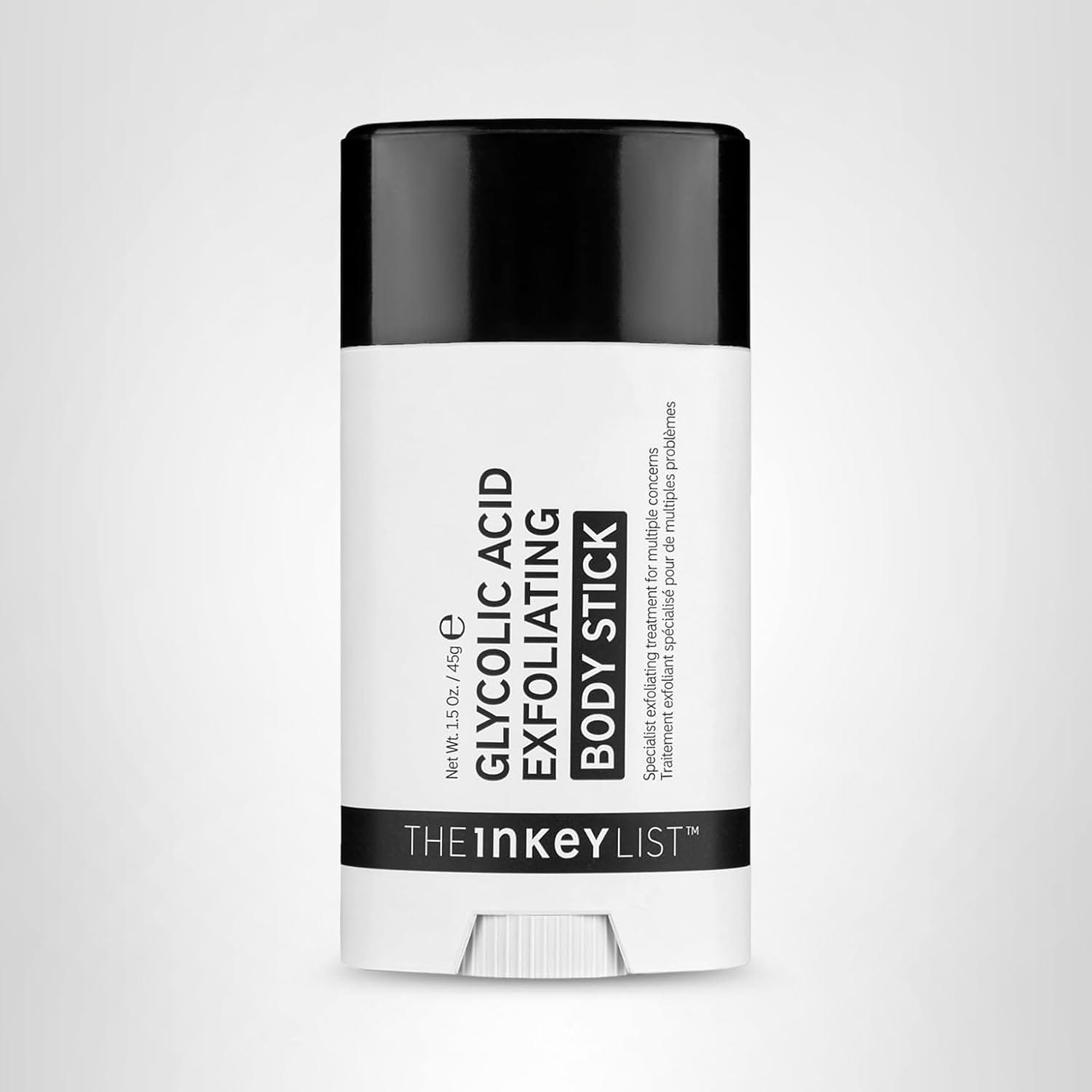
Dullness often results from a buildup of dead skin cells sitting on the skin’s surface. An exfoliating facial cleanser with gentle acids helps reveal clear skin underneath by removing that buildup regularly. The INKEY List Glycolic Acid Cleanser is a commonly recommended option, using gentle acid exfoliation to brighten a dull complexion. Limit exfoliating cleansers to two to three uses per week to avoid irritation.
8. Ageing Skin and Fine Lines
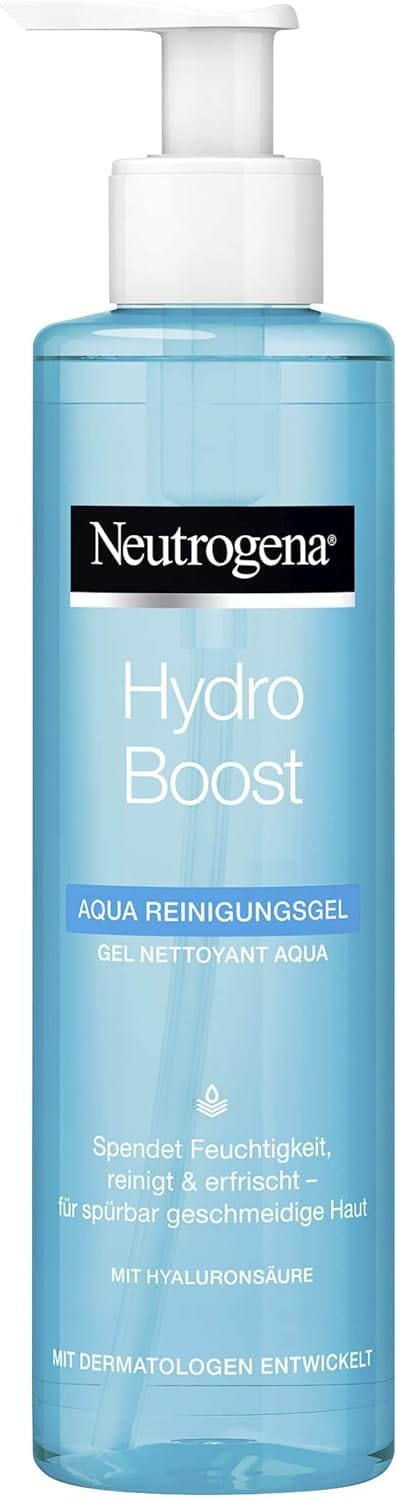
Wrinkles and fine lines often accompany a naturally thinning skin barrier as skin matures. A gentle cream cleanser with hyaluronic acid cleanses without stripping the moisture that ageing skin needs to maintain. Neutrogena Hydro Boost Gentle Cleansing Gel is a strong option for this concern, formulated with hyaluronic acid specifically to support moisture retention in thinner, more mature skin. Avoid harsh foam cleansers that can emphasise fine lines by over-drying mature skin.
Skin Care Tips — Is Double Cleansing Right for You
Double cleansing is a two-step cleansing method that uses an oil cleanser first, followed by a second facial cleanser, typically a gel cleanser or foam cleanser. This method removes makeup and SPF in step one, then cleanses the skin itself in step two.
Makeup wearers and daily SPF users benefit most from double cleansing. Because a single cleanse often fails to fully remove waterproof makeup or heavy sunscreen, residue can sit on the skin overnight and contribute to breakouts and clogged pores over time.
To do double cleansing correctly, apply an oil cleanser to dry skin first, massaging it in circular motions to dissolve makeup and SPF. Rinse with lukewarm water, then follow immediately with your regular gel cleanser or foam cleanser to cleanse the skin itself thoroughly.
People with very dry skin or sensitive skin do not always need double cleansing daily, especially if they wear minimal makeup or SPF. In these cases, double cleansing two to three times per week is often plenty to keep skin clear without over-cleansing.
Healthy Skin Cleansing Basics
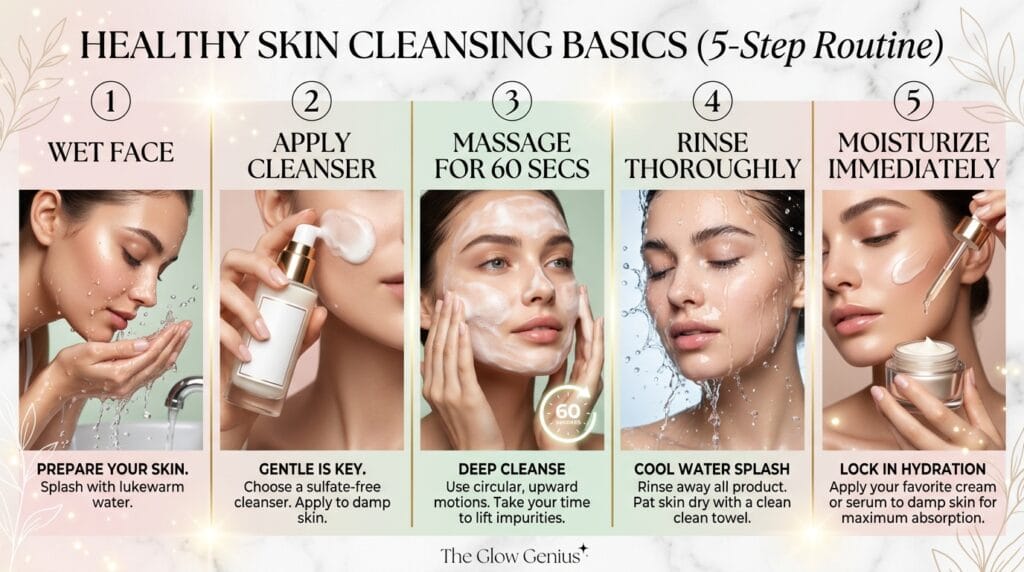
A proper cleansing routine follows five simple steps every single time, regardless of which facial cleanser type you use.
- Step 1. Wet your face with lukewarm water, never hot. Hot water strips natural oils and disrupts the skin barrier, while lukewarm water cleanses effectively without that damage.
- Step 2. Apply a small, coin-sized amount of cleanser to your fingertips and massage onto damp skin using gentle, circular motions. This circular motion helps lift dirt, oil, and makeup routine residue more effectively than simply rubbing back and forth.
- Step 3. Cleanse for a full 60 seconds for proper effectiveness. Most people rush this step, cleansing for only ten or fifteen seconds, which is rarely long enough to fully clean the skin or allow active ingredients time to work.
- Step 4. Rinse thoroughly with lukewarm water, ensuring no cleanser residue remains, especially along the hairline and jaw. Pat skin dry gently with a clean towel, never rubbing, since rubbing can irritate freshly cleansed, more vulnerable skin.
- Step 5. Follow immediately with toner and moisturiser while skin is still slightly damp. This timing helps lock in hydration before the skin has a chance to dry out completely between steps.
Quick Comparison Table
Cleanser Type | Best Skin Type | Key Benefit | Texture | Frequency |
|---|---|---|---|---|
Gel cleanser | Oily, combination skin | Thorough, lightweight clean | Lightweight, clear | Twice daily |
Cream cleanser | Dry, sensitive skin | Gentle, hydrating clean | Rich, creamy | Twice daily |
Foam cleanser | Oily skin | Deep oil control | Airy, foaming | Twice daily |
Oil cleanser | All skin types | Removes makeup and SPF | Oil-based | Once daily, as first step |
Micellar water | Sensitive, all skin types | Gentle, no-rinse cleanse | Watery | As needed |
You May Also Like:
- Best Korean Eye Cream
- How to Get Rid of Dark Spots on Face
- Skin Flooding Hack
- 7 Best Tinted Sunscreens
- Best Eye Creams with SPF
- Celebrity Skincare Hacks
- CeraVe vs The Ordinary
- Etude House Moistfull Collagen Sleeping Pack Review
Frequently Asked Questions
Conclusion:
The right facial cleanser is not about following trends or buying whatever influencers recommend. It is about matching cleanser type and key ingredients to your actual skin concern.
If you struggle with oily skin or blackheads, look toward a gel cleanser or foam cleanser with salicylic acid. For dry skin or sensitivity is your concern, a cream cleanser with ceramides or hyaluronic acid will serve you far better. If you wear makeup or SPF daily, double cleansing with an oil cleanser first will transform how clean your skin actually feels.
Perfect skin is not about owning every trending product. It is about understanding your own skin and choosing accordingly, starting with this single foundational step.
Save this guide, share it with a friend who is overwhelmed by skincare shopping, and come back anytime you need a refresher. 🧴